
214-736-9365 info@electwellness.com
Gatorade and Powerade: Are They Good or Bad?

Gatorade and Powerade: Are They Good or Bad?

Seems these days that everyone who takes a walk around the block “needs” fluid, sugar, and electrolytes…and they need it now! Maybe even before the walk, maybe a bit after the walk, and of course during the walk. Really? Gatorade, Powerade, and all the other “ades” out there are over-marketed, and WAY over-consumed. They benefit certain hard-charging, long-enduring athletes, but slow down the efforts of many users that don’t fit the originally-intended user profile. Granted, especially in this heat, a walk around the block probably warrants extra fluid intake – but do you need a “sports drink?” What if you ran around three blocks? Congrats, but your body can give you a lot more effort than that before it needs help from high-fructose corn syrup, red #40, and a multi-billion dollar corporation. Let’s look at why these are overrated for most people:

Reason #1 : Sports drinks like Gatorade are useful when they aid the liver in increasing blood glucose supplied to the muscle. Your muscles rely on glucose from the liver, through the blood, after they run out of stored glycogen. Endurance athletes call this point “hitting the wall,” as it slows one down every time. However, your muscles store over 2 hours worth of glucose in the form of glycogen, more ready to use than anything in your blood. The only people who deplete these stores are those exercising intensely for more than 2 hours. Even then, depending on the person and how “loaded” those muscles are, they may not run out for about 3 hours. Most people do not exercise intensely (burning 600-900 calories/ hour for example) for more than 2 hours at a time, and never come close to “hitting the wall” or relying on glucose making it’s way through the blood from the liver. Furthermore, endurance athletes can use a technique called “carb loading” to almost double the amount of glycogen that the muscles can hold – very beneficial for delaying the “wall hit” and improving times.

woman drinking sports drink

Reason #2 : Sports drinks are liquid sugar (granted, with a few electrolytes). Most people are exercising for weight loss rather than performance. If you are trying to burn fat stores and extra calories, why drink more calories at the same time? That’s like trying to put out a fire while you throw lit matches at it. It “don’t make sense.” What about the low calorie versions? This cracks me up. Remember the purpose of such a sports drink? To replenish blood glucose when the muscles run out. If you start removing the glucose, you remove the original purpose. So why remove the glucose? To sell more to people trying to lose weight. Save your money. Drink water. Take your multivitamin twice a day, every day (the good ones will require multiple pills), and get your 5 handfuls of fruits and veggies. You’ll have plenty of electrolytes to fuel those workouts. And since you are eating every 3 hours, you’ll have a nice recovery meal inevitably planned post-workout.

Reason #3 : Most sports drinks are made to look pretty on the shelf, taste really good, and sell really well. Enter artificial colors and flavors, food dyes, and sweeteners like aspartame and splenda (sucralose) – often combined with acelsulfame K and others. These have no place in the human body anyway, and certainly provide zero performance benefit. In fact, take in aspartame consistently and risk building up formaldehyde (yes, embalming fluid) in your tissues. (aspartame breaks down to aspartic acid, phenylalanine, and methanol. This wood alcohol, or better known as paint thinner, is eventually converted to formaldehyde, which can accumulate in tissue). Does THAT make you go faster? (maybe: with an emphasis on “go”) Note: I cannot say enough bad about aspartame and the history of it’s creators, the dark cloud that hovers over it’s FDA approval, and the money/politics that drive this poison into mainstream consumption. By the way, the story gets worse when aspartame is exposed to high heat (when many people use the stuff!). If you disagree with my position, I understand. [you probably love drinking the stuff.] I get it – I used to as well, and stayed in denial for years. Then I dug deeper, read more, and uncovered more facts and research. Hence my current stance on the substance.

So what if you are exercising intensely long enough to drain your muscles of glycogen, and sweating enough in these high-heat conditions to dangerously lower electrolytes? Is there any way to maintain peak exercise performance while staying hydrated, and avoid harmful synthetic ingredients? You bet.

So now you realize that for most, sports drinks are unnecessary. But if you fit the category of hard-charging, long-enduring athlete, congrats! You can and should enjoy the benefits of a beverage filled with water, electrolytes, carbs, and even a bit of protein during your exercise.

This is especially true in the high heat of Texas summers that drains electrolytes and water even quicker. If, I say if, you are an endurance athlete, or participating in endurance athletics.

The question is: Is Gatorade the best? Powerade? What exactly SHOULD I be drinking to:

1. Avoid the dangers of dehydration, or the coma at the end of hyponatremia (a condition of being too-low on extracellular sodium due to excessive sodium loss through sweat combined with additional water intake)

and

2. Optimize performance through proper mid-exercise nutrition and hydration

Here are some good options and why:

1) Amino-Vital

Research has shown that adding amino-acids to carb/water sports drinks helps to retain water in the blood longer, delaying the emptying by the kidneys. Furthermore, in some studies drinks with a small amount of protein have helped athletes out-perform those using carb-only type solutions. This particular one uses the herb stevia to help sweeten the flavor, instead of any artificial flavors.

Nutrition Facts per 8oz:Amino%Vital

75 calories
42 potassium
135 sodium
16 carb
9 sugar
1,200mg branched chain amino acids
 

2) Gatorade Natural

This natural version of Gatorade omits the artificial flavors and colors found in standard Gatorade drinks. This is a much cleaner option than other Gatorades, but still lacks substantial potassium.

Nutrition per 8oz:Gatorade%Natural

50 Calories
110 mg sodium
30mg potassium
14 carbs
14 sugar
 

3) Coconut Water

Termed “nature’s sports drink,” this powerful fluid packs 324 potassium in every 8oz serving, in addition to the sodium needed to avoid low hyponatremia during prolonged intense exercise. With less sugar than most sports drinks, this may be a good option for those who feel other drinks are too sugary/sticky to enjoy in the heat.

Nutrition per 8oz:Zico

34 calories
91 sodium
324 potassium
7 carb
7 sugar
 

4) Home-Made Grape or Apple Sports Drink

Simply mix grape or apple juice with water (50/50) and add a level 1/8 teaspoon of salt to every 20oz of liquid. With this combo, you get all the benefits of Gatorade plus a substantial increase in potassium (which pulls water into the muscles and aids in reducing cramps). It’s both better and cheaper than Gatorade or Powerade, and void of artificial colors, flavors, and dyes. Plus, you can add your own teaspoon of liquid branched-chain amino acids – make sure they are either naturally or non-sweetened.

Your own Apple Sports Drink

50% apple juice
50% water
1/8 teaspoon sea salt per 20oz liquid

Nutrition per 8oz:Motts%Apple

55 calories
120 potassium
145 sodium
13 carb
13 sugar
(1500 mg branched-chain amino acids if added)
tiny amount of trace minerals from sea salt
 

Your own Grape Sports Drink

50% grape juice
50% water
1/8 teaspoon sea salt per 20oz liquid

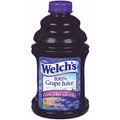
Nutrition per 8oz:Welch's%Grape

70 calories
148 sodium
105 potassium
19 carbs
18 sugar
(1500 mg branched-chain amino acids if added)
tiny amount of trace minerals from sea salt
Increase Protein to Decrease Fat: Dallas Personal Trainer Explains 7 Reasons Why

Increase Protein to Decrease Fat: Dallas Personal Trainer Explains 7 Reasons Why

egg basket

Top Seven Reasons to Increase Protein Intake When Trying to Lose Fat

1. Satiety: protein is MUCH more filling than carbohydrates, helping you to reduce caloric intake by making you feel full faster.

2. TEF:  or “Thermic Effect of Food.” Your body burns twice as many calories simply digesting protein compared to carbohydrates.

3. Lean Muscle Support: Your RMR (resting metabolic rate), which is largely determined by the amount of muscle you carry, has a much greater influence on maintaining ideal body fat % than the 500 calories you burnt yesterday during your workout. So be sure to “collect” the lean muscle you earned through all that hard work by eating the protein your body needs to build it!

4. Blood Sugar Control: protein breaks down to amino acids in the blood stream, which dilute blood glucose and help to control insulin – the hormone that rushes extra sugar to the liver for conversion to fat.

5. More Glucagon: What? You may say… Glad you asked, because this is huge… in making you less huge. :) Anyway, glucagon is like insulin’s arch-enemy, it’s antagonist, it’s “joker”… if insulin was batman… you get my point. While insulin rushes sugar off to be stored, glucagon breaks down stored energy and rushes off the sugar to be burned. Cool, huh?

6. Less LDL, More HDL: Many studies have shown that increasing the percentage of protein in the diet can lower LDL (the “bad” cholesterol) and increase HDL (the “good” cholesterol)

7. PNO: or “positive nitrogen balance.” In a nutshell, this means taking in more protein than your body is excreting. Maintaining this anabolic state is “page 1” material in muscle development for dummies. I’ll put it this way: if you were to compare the muscle building industry to church, this would be akin to knowing who Jesus is. :)  It indicates that more protein is entering the body than is leaving. And guess what? That’s pretty important if you are trying to add lean muscle to increase the aforementioned RMR.

WARNING:

Not all protein sources are created equal. For instance, I’d recommend a grilled chicken breast over a McDonald’s hamburger patty. Why oh Why Tom? Nevermind. Moving on…

I’d recommend wild-caught salmon over farm-raised. Why oh why Tom? Ok, that one deserves an answer: PCB’s and dioxins: contaminants often found in farm-raises fish.

I’d recommend greek yogurt over “regular,” because it usually has a better protein/carb ratio.

I’d recommend skim milk over whole milk – because it has a better protein/fat ratio.

I’d recommend whey over soy – because genetically modified soy (most soy on the market is) will screw with your hormones and health.

I’d recommend an all-natural protein powder over one that contains artificial ingredients – because there is no need to put toxic chemicals like aspartame or sucralose into your body when fructose and/or stevia will do the sweetening trick naturally.

I’d also recommend all-natural protein bars over ones stuffed with partially hydrogenated oils and artificial colors and/or flavors.

HCG … Again? Dallas Fitness Trainer Asks You to Remember This

HCG … Again? Dallas Fitness Trainer Asks You to Remember This

injection patient

Every now and then HCG comes back around as a “new” weight loss drug. However it is nothing new. HCG was introduced in the 1950s and became popular in the 1970s. Before we get into why I believe this drug is absolute nonsense, let’s take a closer look into HCG.

Human chorionic gonadotrophin (HCG) is a hormone that is found in the urine of females during the early stages of pregnancy. When a woman takes a home pregnancy test, the prevalence of HCG is what indicates the positive response. It has many functions during pregnancy, but is thought to be especially important in repelling immune cells of the mother to protect the fetus in the first trimester. HCG is also believed to convert fat to calories for use by the baby (when the mother is not consuming enough), which in turn may speed up the mother’s metabolism. Make a note here, this hormone is found in high concentrations in PREGNANT women. If you are not a pregnant woman, your body does not produce HCG – which means your body does not need it! It certainly doesn’t need the potential side effects either: increased anger and mood swings, feeling sluggish, stomach ache, pelvic pain, muscle cramps, lumps, swollen feet and hands, as well as hunger (interesting). Wait, much like drug commercials, I’m not done yet: increased risk of blood clots, headaches, restlessness and depression. Last but not least, considering HCG has been approved by the FDA as a fertility drug, you may feel a bit like you are pregnant, complete with breast tenderness and water retention. (maybe you wives could use it to get back at your husbands!) HCG can also cause a potentially life-threatening condition called ovarian hyperstimulation syndrome (umm…no thank you.)

HCG actually became popular more than 50 years ago because of a doctor (and I use that term loosely) named Albert T. Simeons. This guy believed that injecting HCG into dieters would enable them to sustain a very low calorie diet (VLCD) of 500 calories without feeling hungry. Simeons also claimed that HCG would mobilize stored fat, suppress appetite, and redistribute fat from the waist, hips, and thighs.

Now let’s think about this. If you were to consume 500 calories a day, of COURSE you are going to lose weight. You are starving your body! If I put you on a 500-calorie diet and told you to do handstands all day long, would you believe it was the handstands that caused the weight loss or the caloric restriction? (If you said handstands then we need to talk). Not only is this diet completely insane, it is dangerous. Your body is not getting the nutrients that it needs and it will affect you in a negative manner. The concept of a VLCD has been around for years and it is frowned upon. Simeons simply found a way to make it more enticing by adding a “miracle” drug to the mix.

The thought that a drug can redistribute fat from certain parts of your body is absurd. It is scientifically impossible; no study exists that says otherwise. The FDA actually requires labeling and advertising of HCG to state, “[T]here is no substantial evidence that [HCG] causes a more attractive or “normal” distribution of fat.” The FDA also requires the labeling and advertising to include that HCG is not effective whatsoever in the treatment of obesity. Sure, you can find several “success” stories from people who have lost weight while using HCG, but you will not find a single scientific study supporting that claim.

Actually, HCG originally lost its flair back in 1976 due to studies that disproved its claims. G overnment action also played a role when the FTC ordered Simeon’s companies and its affiliates to stop claiming that their HCG-based programs were safe, effective and FDA approved. Years later, a man named Kevin Trudea (not a doctor) started promoting HCG once again through infomercials and his 2007 book, The Weight Loss Cure They Don’t Want You to Know About. Needless to say, Trudea was found guilty in federal courts for misrepresenting HCG in his book and was ordered to pay more than $37 million in damages.

Now let’s review. If you are not a pregnant woman, then HCG should not be in your body. HCG has nothing to do with losing weight; in fact, the only reason people lose weight while taking HCG is because of a VLCD. HCG is being promoted again because Americans are looking for a “quick fix” to their diet woes. Sure you will lose weight, but I can guarantee that you won’t keep it off unless you continue a VLCD forever (which is impossible to do). This hormone does not teach you how to properly eat, it doesn’t force you to exercise, and it certainly doesn’t make you healthy. If you are looking to lose weight, go with the method that is 100% proven to work every time: a healthy diet with plenty of exercise.

Here’s a Ridiculously Simple Secret for Weight loss from a Dallas Personal Trainer

Here’s a Ridiculously Simple Secret for Weight loss from a Dallas Personal Trainer

Keep it simple sign

You know. some “secrets” in life can be complex – like the 300 pages that snuck into the already 2,000+ page health care bill at 3am the day congress was to vote on it.

And then some secrets are simple – like cutting the capital gains tax to encourage investment and business growth.

Today’s secret is on that simple side. So whether you’ve so far been offended or excited by the illustrations used, here’s a NON-political tip to help you keep the weight down, your energy up, and your blood sugar stable:

“Eat the protein first, & save the starch for last.”

That’s right. Start with the part of your meal that does your metabolism the most good: the protein. Follow that chicken, fish, turkey, yogurt, cottage cheese, or handful of boiled egg whites with fibrous fruits & veggies; then eat the starchy pasta, potato, bread, rice, or even chips (if you must) last. You’ll limit your carbs while barely trying, and guess what? Fewer carbs equals less fuel in your body’s “gas tanks.” Of course, that means your body will have to look elsewhere for fuel … in places like stored body fat. That’s what we want, right? To burn stored body fat? If that’s your desire, then you have to limit the fuel from external sources. This makes that task much easier.

The protein first / starch last order of eating will also help stabilize your blood sugar by reducing the concentration of glucose that enters your blood. Turning off the insulin faucet in this fashion will keep you off the energy roller coaster and help you avoid sugar and caffeine cravings as well.

So next time you hit a restaurant, just order a water while you wait and tell ’em to bring the chips, rolls, tortillas, or whatever the particular fat-promoting “pre-meal” item may be … AFTER the meal. Get a quick salad if you’re dying of hunger. After your meat and veggies, you might not even finish the potato, rice or french fries (did you really?). Chances are you’ll even surprise yourself by rejecting that appetizer you thought you wanted. Congrats, you just saved yourself 1,000 calories and an uncomfortable evening spent in jeans hanging on for dear life. You’re also one step closer to feeling good about how you look this summer!

Funny Vintage Weight loss Ads from Your Dallas Personal Trainer

Funny Vintage Weight loss Ads from Your Dallas Personal Trainer

I thought you would enjoy this list of my Favorite Funny Vintage WeightLoss Ads!

Icecream

Weight Loss Sugar – Pre-lunch ice cream cone for weight loss? This I could do … and I know which of our clients are smiling at the thought too (don’t even think about it!)

Vintage Tape Worm Ads

Weight Loss Tape Worms – This I could not do. By the way, this isn’t just a thing of the past. Thankfully, America has banned it. Now if we could just ban gastric bypass … oh wait … it was banned before… but it was called something else … now it has a new name … so it’s safe and healthy now … that’s right … I forgot.

Vintage Weight Loss Braces

Weight Loss Braces – This is how spot-reducing used to work. We are no longer this foolish, right? Now we “know” we have to exercise certain areas to burn fat in those areas. We’ve really come far, haven’t we? (please sense sarcasm)

Vintage ad for overweight men

Weight Loss Belts (for men) – “Endorsed by physicians” to help “reduce” you and replace fat with “normal tissue” …. and cheaper than professional weight loss massage! Good thing massage doesn’t burn fat. We’d never get paid for the work that we are selling!)

Vintage Weight Loss Belts

Weight Loss Belts (for women) – Of course, women love doing things together. So, instead of an under-the-shirt secret solution, they made a day of it! Just doesn’t give off the same vibe as a modern-day yoga class, huh?

weight loss cigarettes vintage advertisement

Weight Loss Cigarettes – So you thought the tapeworms were nasty? Hey, I’d rather get seated next to the tapeworm section in a restaurant than the smoking section. At least when the tapeworm exited my neighbor’s mouth and headed my direction, I’d get a warning scream.

Weight Loss Soap

Weight Loss Soap – “One to three cakes usually accomplishes the purpose.” That’s in case you were wondering how fast it works or how many to order. I suppose the seller had to balance how many he wanted to sell per person vs the danger of selling none by implying that it was a slow process. Fun fact: a competitors brand was creatively named “FatOff.”

It’s a Lie – All Calories are not Created Equal

It’s a Lie – All Calories are not Created Equal

waffles with syrup and berries

I’m always amazed when I see “experts” on TV claiming that “a calorie is a calorie is a calorie.” Really? If that were true, then I could eat 3,000 calories a day of pure fiber and not budge the scale needle (whose scale still has a needle?) …or 3000 calories per day of pure alcohol and tip the scales in the exact same fashion. Truth be told, I’d probably end up in a coffin shortly after either situation. You see, neither alcohol or fiber provide the glucose (blood sugar) that’s necessary for your brain to function. (brain function is a good thing)

Now, if switching up the types of calories in your diet could take away life and render you dead weight, regardless of a quantity change, doesn’t it stand to reason that the same done correctly could add life, bringing you closer to your ideal weight? (run-on award goes here). It definitely can. Even if you didn’t care about getting healthier, changing the quality of your calories without touching the quantity can still help you lose weight.

Let’s start with the fiber I mentioned previously. As you know from every cereal box marketing message with even the smell of whole grain, it’s very good for you, cleaning house for your digestive system and helping keep your blood lipid profile in check. It also aids in curbing your appetite. One thing is doesn’t do though, is convert to blood sugar. And guess what, as a carbohydrate that doesn’t convert to blood sugar, it doesn’t get stored in the muscles, doesn’t overflow the liver, and doesn’t get converted to fat. But just as the recently birthed “Net Carb Quantity” label on protein bars has taught you, fiber still gets pegged with 4 calories per gram. So what’s my point in all this rambling? If someone were maintaining weight while eating just 2 grams of fiber per day and upped it to 30g, simply replacing existing other calories, they’d start to lose weight.

How ’bout protein? It’s another “secret” nutrient proving the “calorie is a calorie” theorem wrong. You see, the body doesn’t like to make glucose from protein, not the protein coming through your mouth anyway. Let me interject this here: The body will breakdown muscle protein when it needs energy. A quick glance at any competitive marathoner who’s struggling to eat enough will reveal that. If the brain needs energy and can’t find enough from sugar and fat, it turns to a sort of cannibalism, eating it’s own flesh. But…but….that’s muscle protein. The body doesn’t like to make glucose from dietary protein. It’s more difficult and takes longer compared to carbohydrates, which is why you should never let carbs get below 100g per day. Your brain and body need at least some quick fuel. If you’ve ever tried to work with someone on the aggressive phase of the Atkin’s Diet, you know what I mean. They are usually at least a half a brick short of a load, and the truck usually shows up a moment after it should have been there. (no offense if this has been your chosen path. At least you were looking for a path!) The body would rather use protein for cellular support and tissue repair…especially if you are training hard like you should be. Protein, like fiber, also helps to balance blood sugar, keeping you off the energy roller coaster and away from quick-fix sweets. Finally, remember the thermic effect of foods, which speaks to the fact that nutrients use energy simply to break themselves down after consumption. Protein burns twice as many calories as carbohydrates in the digestion process alone.

Take-home lesson: start getting 35% of your daily calories from protein and begin consuming 25 grams of fiber per day. You’ll soon find out that “a calorie is not a calorie is not a calorie.”